Journal · Jun 2, 2026
Weekend Firewood Project — Pick the Right Chain for a Day of Bucking
Planning a full day of bucking firewood from clean logs? Chain choice, tension management, and knowing when to sharpen vs. swap make the difference.
Published
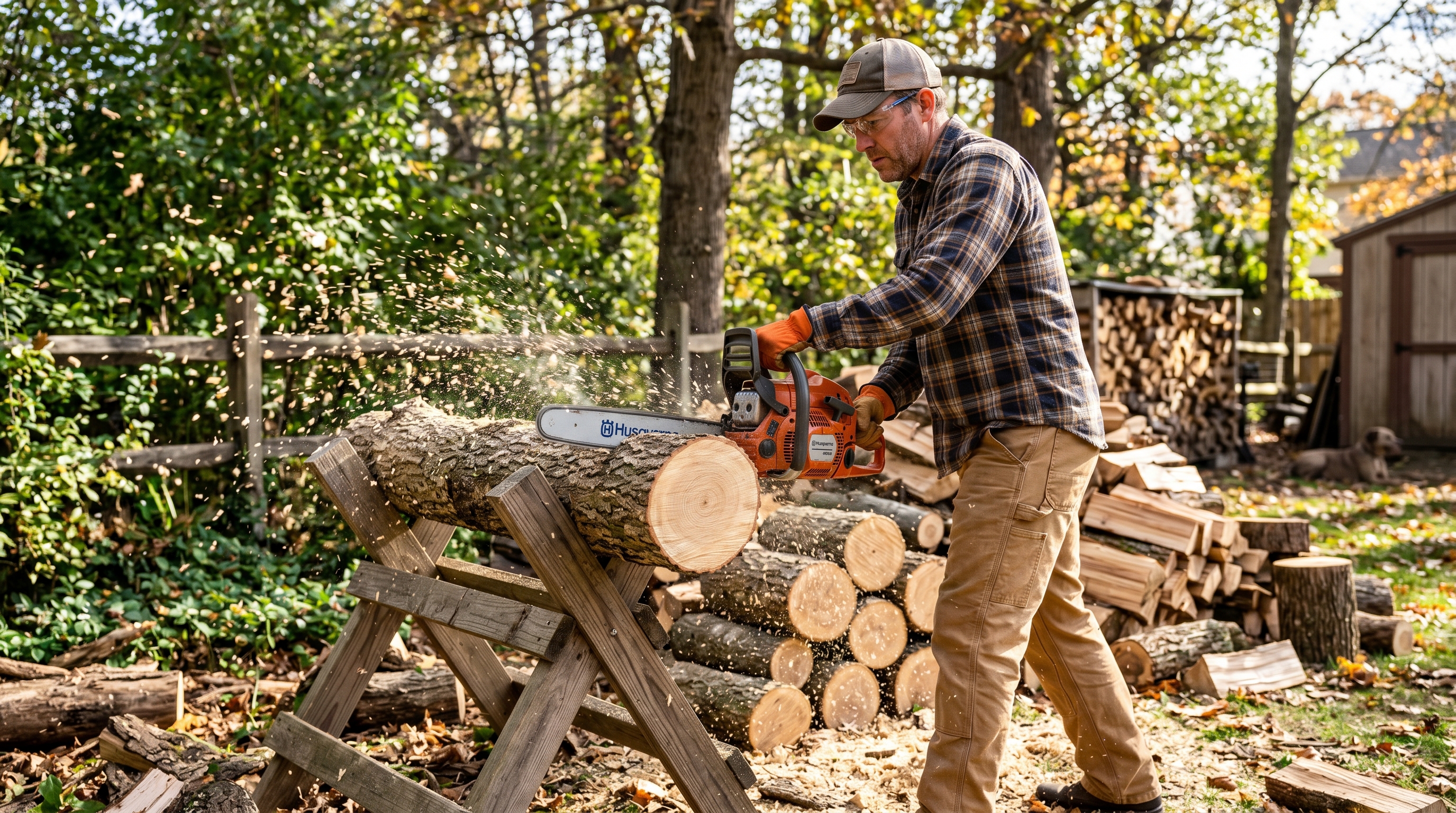
You have a stack of logs, a free Saturday, and the goal of turning it all into stove-length rounds before dinner. A full day of firewood bucking is one of the most satisfying chainsaw projects there is, but it is also one of the most demanding on your chain. Sustained cutting for hours puts real wear on cutters, and the chain you start with and how you manage it through the day determines whether you finish strong or spend half the afternoon fighting a dull saw.
Here is how to set up for a productive firewood day from chain selection to knowing when to sharpen and when to swap.
Start with full chisel on clean wood
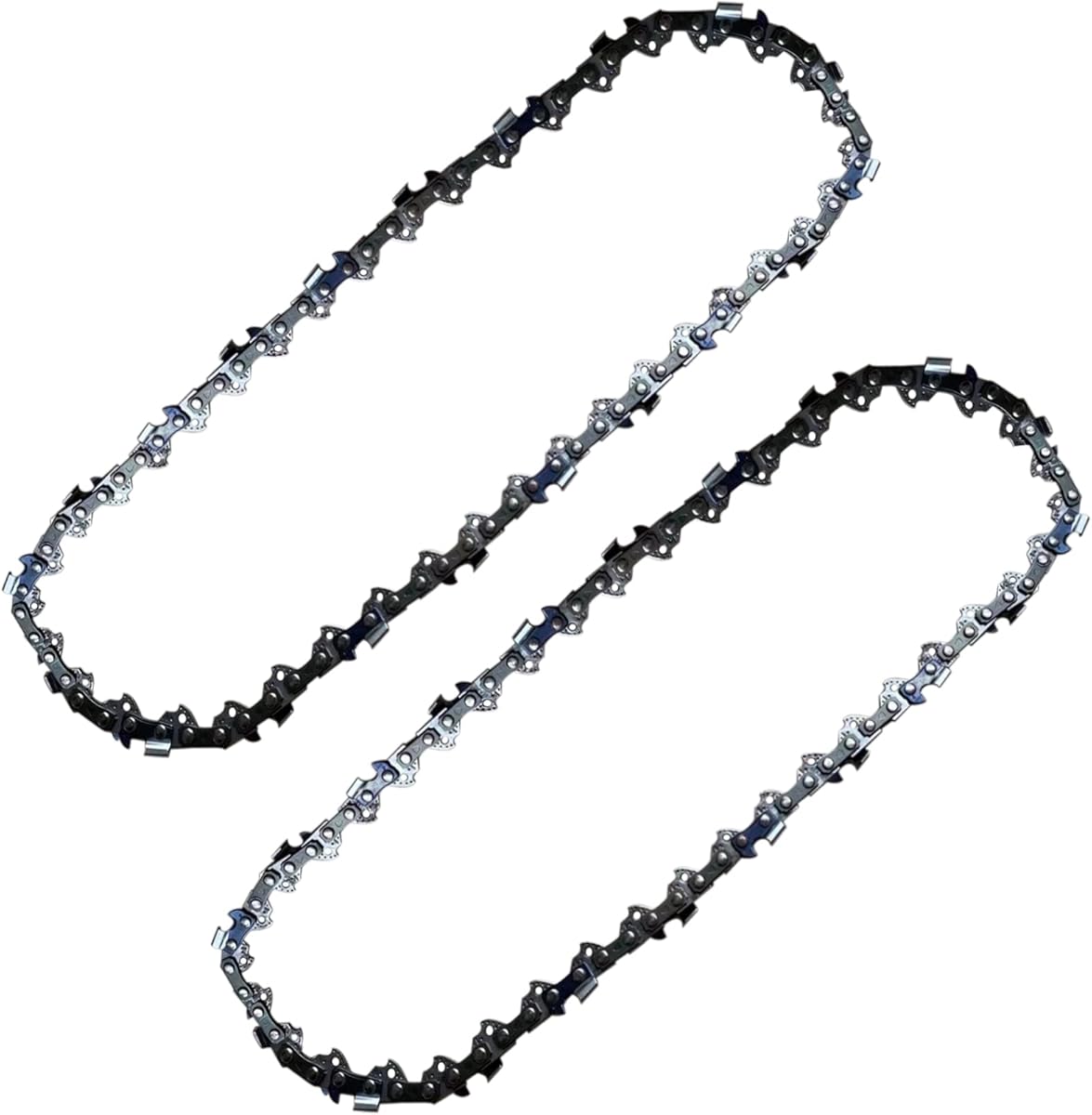
If your logs are clean — off the ground, debarked or at least free of mud and grit — full chisel is the right chain for the job. The square cutter corners bite aggressively and produce thick chips, which means faster cuts, less time per round, and more wood processed before you run out of daylight.
Full chisel earns its reputation as the production cutter’s chain in exactly this scenario: high-volume cutting through clean softwood or hardwood where speed matters and the wood is not going to destroy the edge. For a deeper comparison of cutter profiles, see full chisel vs. semi-chisel chain.
The one condition: your logs actually need to be clean. If the wood has been sitting on the ground and the bark is packed with dirt, or if you are cutting rounds near soil level, semi-chisel is the safer choice. Full chisel dulls fast in dirty conditions, and a day of fighting a chain that will not cut is not a productive day.
Chain tension matters more during sustained cutting
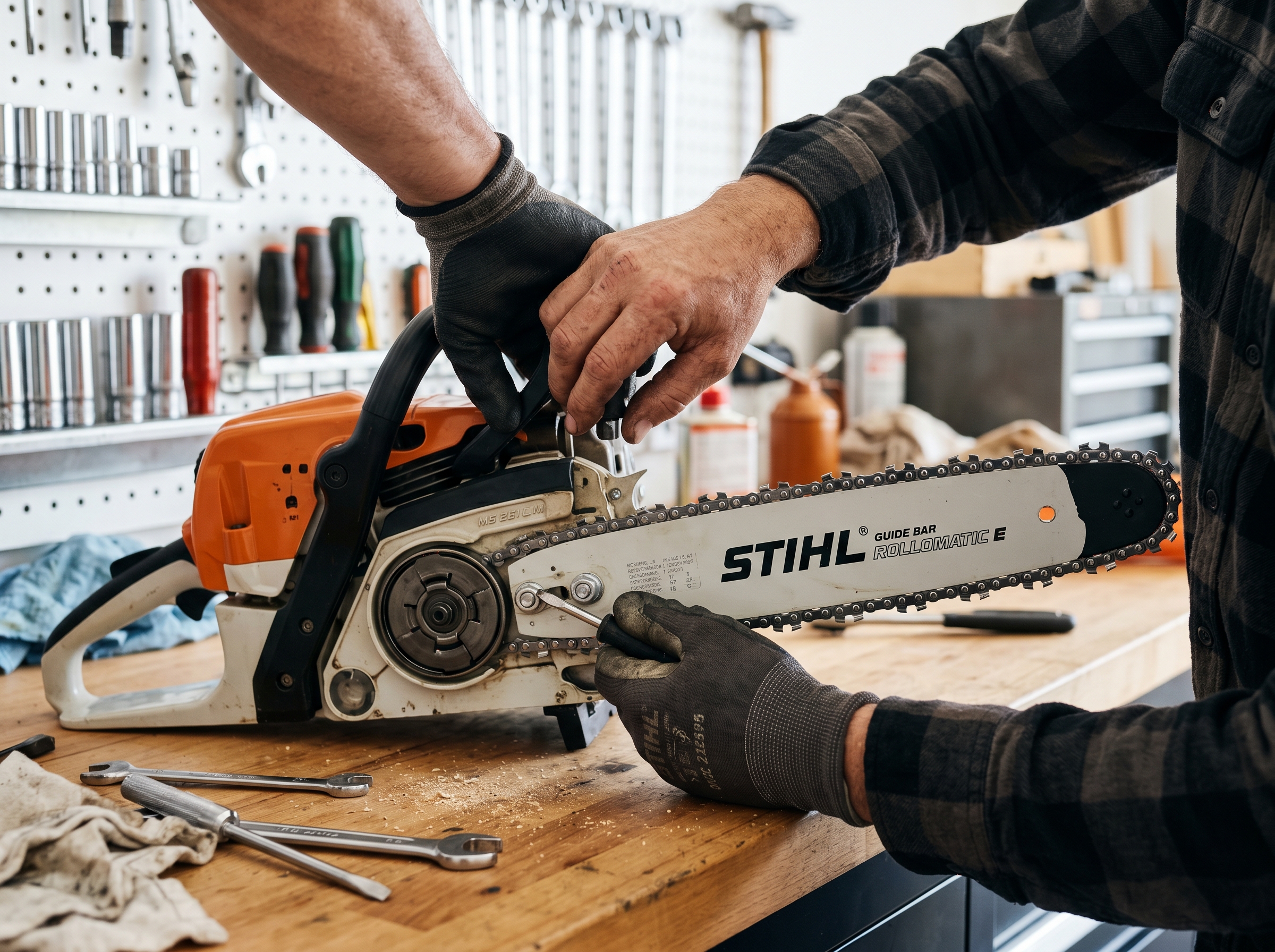
On a normal day, you might tighten the chain once and forget about it. During a full day of bucking, chain tension needs regular attention.
Chains stretch as they heat up. The longer and harder you cut, the more the chain elongates, and a loose chain causes problems that snowball. It rides up off the bar, wears the bar groove unevenly, increases the chance of derailment, and reduces cutting efficiency because the cutters are not tracking properly through the wood.
Check tension every time you refuel or swap batteries. The chain should be snug against the underside of the bar with no visible sag, but still pull freely around the bar by hand. If you find yourself retensioning constantly and running out of adjustment range, the chain is stretched beyond its service life and needs to be replaced.
For persistent tension issues, the chainsaw chain tension keeps loosening guide covers the most common causes and fixes, including worn bar grooves and tensioner problems that are easy to miss.
When to stop and sharpen
A sharp chain pulls itself into the wood. You should feel the saw doing the work with only light downward pressure from you. The moment you start pushing the saw into the cut, or the chips turn from thick curls into fine dust, the chain is dull.
During a full day of bucking clean wood, a quality full chisel chain will typically need sharpening every 30 to 60 minutes of actual cutting time, depending on the wood species, chain quality, and how aggressive the cutters are set. Hardwoods like oak and hickory dull chains faster than softwoods like pine or spruce.
Signs it is time to sharpen:
- Fine sawdust instead of chips
- The saw pulls to one side (uneven cutter lengths)
- You are pushing harder to maintain cutting speed
- The saw bounces or chatters entering the cut
- Smoke from the cut even with good bar oil flow
Quick field sharpening does not need to be a full shop session. Clamp the bar in a stump vise or hold it steady, and run three to five strokes per cutter with the correct diameter round file at the proper angle. Consistency matters more than aggression with the file. Even, light strokes on every cutter keep the chain cutting straight. For a complete walkthrough on technique and file selection, see how to sharpen a chainsaw chain.
When to swap instead of sharpen
Sharpening in the field works when the chain is dull but the cutters are intact. There are situations during a long cutting day where swapping to a fresh chain is the better move:
- You have already sharpened two or three times and the cutters are getting short. Every sharpening removes metal. After several touch-ups in a day, the cutters lose enough material that the chain starts cutting slower regardless of how sharp the edge is. At that point, swap in a fresh chain and bring the worn one home for a final bench sharpening or retirement.
- You hit something. A hidden knot with a nail, a rock in the bark, or a momentary ground contact can damage several cutters at once. Uneven damage is hard to fix in the field because you need to bring all the cutters back to the same length, and that takes time and precision. Swap to the spare and deal with it later.
- Chain stretch is beyond adjustment. If the chain has been sharpened multiple times across its life and the drive links are wearing thin, it will stretch faster during sustained cutting. Once you run out of tensioner range, the chain is done.
The smartest firewood day setup is simple: start with a sharp full chisel chain, carry one or two spares that match your saw, and rotate as needed. A fresh chain cuts faster, runs cooler, and puts less strain on the saw.
Plan the day for efficiency
A few small decisions at the start of the day make a big difference by the end.
Set up a cutting station. Roll or stack logs at a comfortable working height, ideally on a pair of parallel rails or sacrificial logs that keep the wood off the ground. This prevents ground contact with the chain and keeps you from bending over hundreds of times.
Cut to consistent lengths. Mark your stove length on the first log with chalk or a scribe, then use it as a visual reference. Consistent rounds stack better, split more evenly, and look like the work of someone who knows what they are doing.
Batch your sharpening. Instead of sharpening after every few cuts, run the chain until performance drops noticeably, then sharpen all cutters at once. Frequent micro-sharpenings waste time on setup and teardown. Doing it in batches lets you stay in cutting mode longer.
Stay hydrated and take breaks. This has nothing to do with chains and everything to do with finishing the day. Fatigue leads to sloppy technique, which leads to ground contact, pinched bars, and damaged chains. Work steadily, not desperately.
A well-planned firewood day with the right chain, good tension management, and a spare in your back pocket is one of the most productive things you can do with a chainsaw. Pick the right setup, maintain it through the day, and you will have a cord of stove-ready wood before the sun goes down.
Find the right part on Amazon
Check price, stock and fitment — ships direct from Amazon.
Parts