How-To
Chainsaw Kickback: What Causes It and How to Prevent It
Safety concern: kickback zone on bar nose, reduced-kickback chains, proper technique
Published
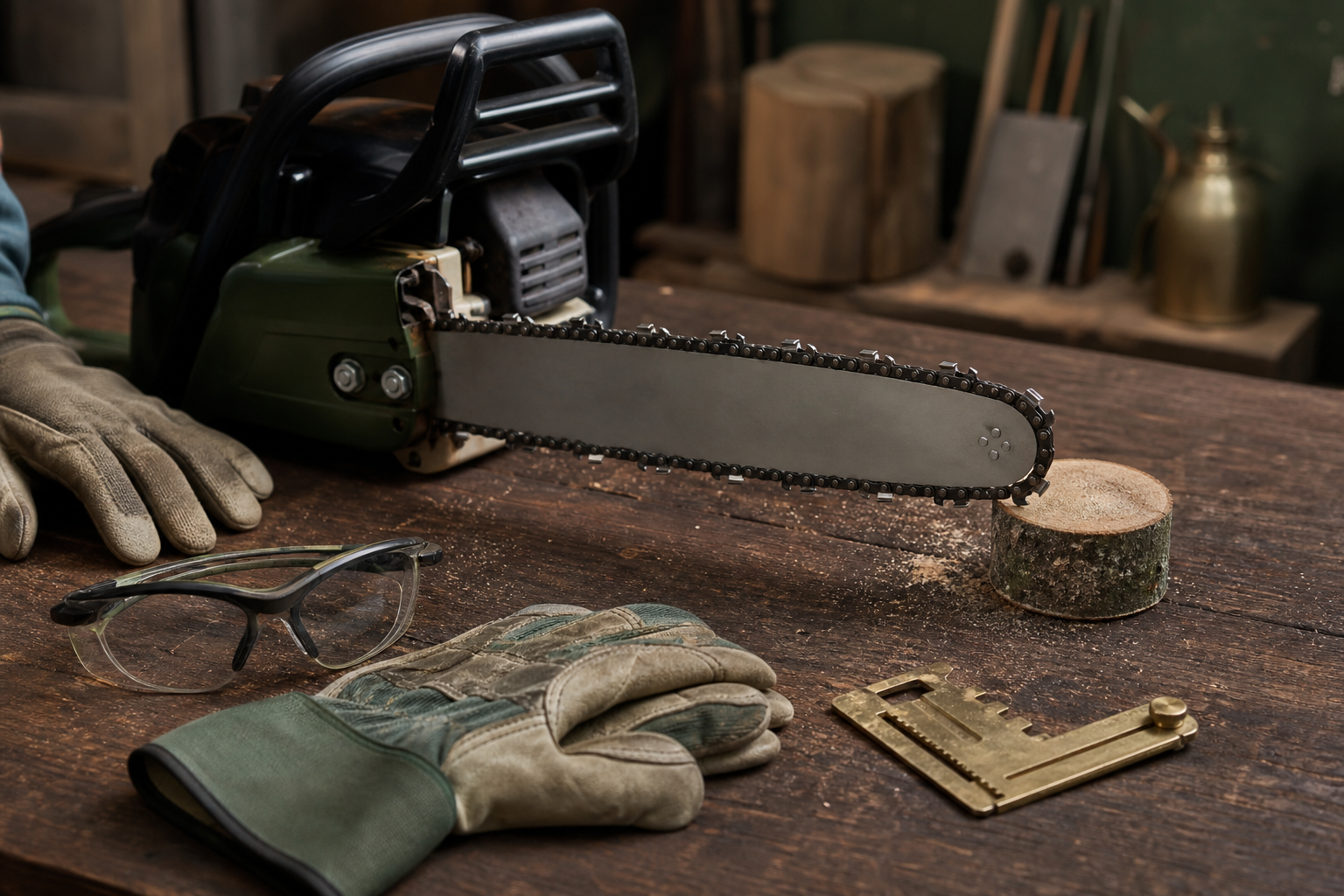
Kickback is the chainsaw hazard that gets talked about most for good reason: it happens fast, it surprises even experienced users, and it can turn a routine cut into an emergency in a fraction of a second. This question comes up often in owner forums, especially from rural homeowners who only run a saw seasonally and from part-time loggers trying to balance production with safety. The good news is that kickback is not random. In most cases, it comes from a specific cutting condition, chain setup issue, or handling mistake. If you understand what causes kickback at the bar nose, choose the right chain, and use correct cutting technique, you can reduce the risk dramatically.
What Kickback Actually Is
Kickback is the sudden upward and backward motion of the guide bar toward the operator. The most dangerous form usually happens when the upper quadrant of the bar nose, often called the kickback zone, contacts wood or another object unexpectedly.
When that part of the nose touches material, the chain can momentarily grab instead of cutting smoothly. Because the chain is traveling at high speed around a tight radius at the tip, the force can rotate the bar sharply back toward you before you have time to react.
There are two related situations people often group under “kickback”:
- Rotational kickback: The bar tip contacts wood and the saw whips upward/backward.
- Pinch kickback or pull-in: The chain gets pinched or caught in the cut, causing the saw to jerk suddenly.
For most homeowners, rotational kickback at the nose is the one to understand first. That upper tip area is where many accidents begin. If you avoid using that zone carelessly, you remove one of the biggest risks in chainsaw work.
Common Causes of Chainsaw Kickback
Kickback usually starts with one or more predictable causes. If you know them, you can spot trouble before it happens.
Contact with the kickback zone
The classic cause is accidental contact between the upper portion of the bar nose and a branch, log, hidden limb, fence wire, or another piece of wood. This often happens while limbing, reaching into brush, or cutting in tight quarters where the bar tip is hard to track visually.
Dull or poorly maintained chain
A dull chain does not feed cleanly into the wood. Instead of cutting efficiently, it can bounce, grab, or force the operator to push harder. That loss of control increases the chance that the tip wanders into a dangerous position. This is one reason proper sharpening and chain maintenance matter as much for safety as for cutting speed.
Incorrect depth gauge setting
If the rakers, also called depth gauges, are filed too low, each cutter takes too aggressive a bite. That can make the chain grabby and raise the kickback tendency. An aggressively filed chain may feel “fast” in ideal wood, but it can also be less forgiving.
Wrong chain type for the job
Some chains are designed with safety features that reduce kickback tendency, while others prioritize cutting speed and are intended for more experienced operators. This question comes up often in owner forums when users replace a chain and suddenly notice the saw feels more aggressive. Not all replacement chains behave the same, even if they fit the bar.
Poor body position or one-handed operation
If you are off balance, cutting overhead, or running the saw one-handed, you have much less control if the bar reacts suddenly. Proper grip and stance are not just formal safety advice; they are what allow the chain brake and your body position to work together when something goes wrong.
How Chain Choice Affects Kickback Risk
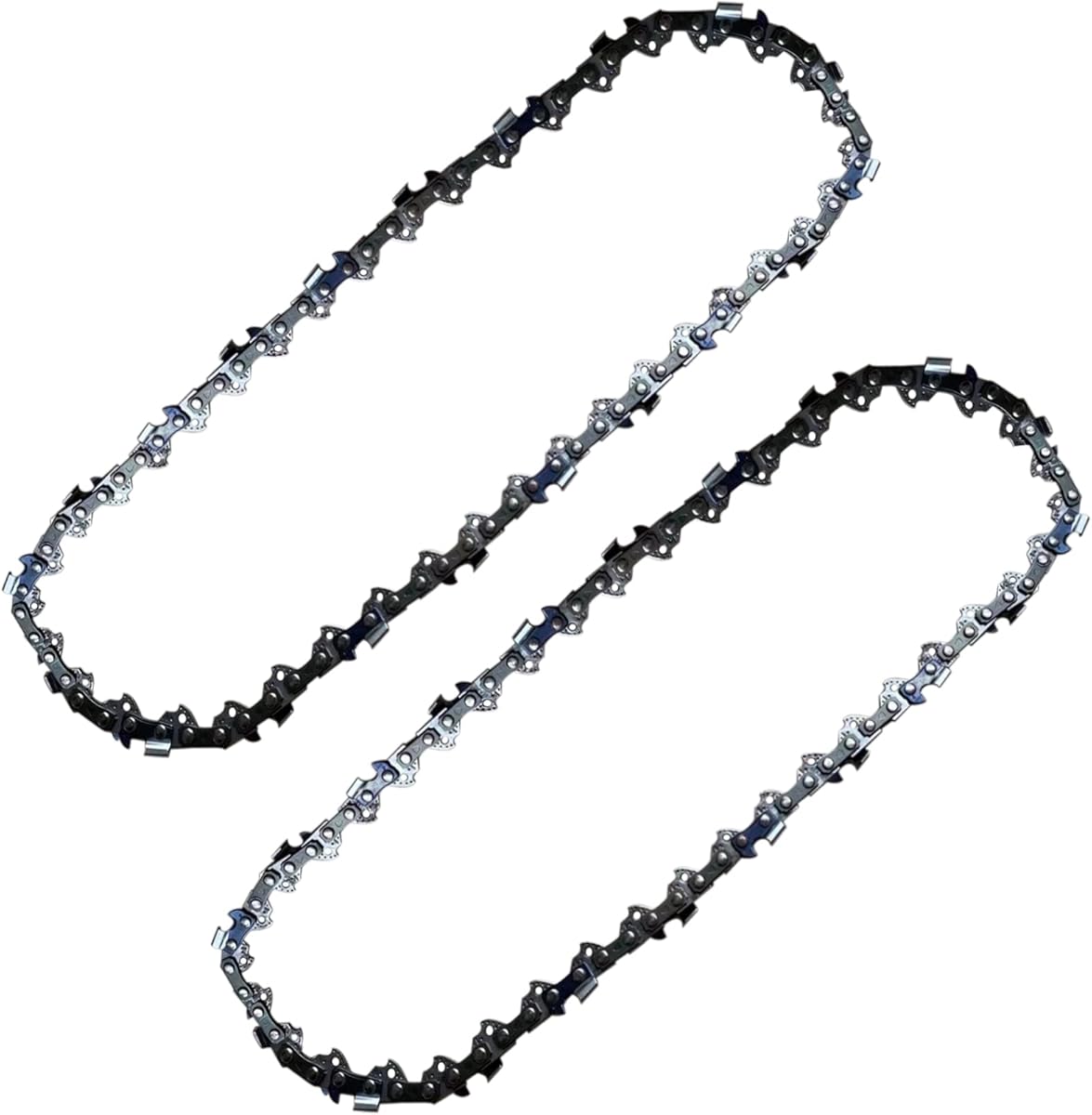
For many occasional users, the safest upgrade is not more power but the right replacement chain. Reduced-kickback chains are designed to lower the chance or severity of rotational kickback, usually by using guard features on the tie straps or cutter design that limit how aggressively the chain engages at the bar nose.
These chains are often a smart choice for:
- Rural homeowners cutting firewood
- Property owners cleaning up storm damage
- Seasonal users who do not run a saw every week
- Anyone prioritizing control over maximum cutting speed
A reduced-kickback chain will not make a chainsaw foolproof, but it can provide a wider safety margin. For part-time loggers or more experienced cutters, there may be situations where a more aggressive chain is preferred for productivity. Even then, that choice should match the saw, bar length, wood conditions, and operator skill.
When selecting a replacement chainsaw chain, verify:
- Pitch
- Gauge
- Drive link count
- Chain style or safety rating
If you install a chain with the wrong specifications, performance and safety both suffer. If your current chain seems unusually grabby after replacement, confirm that it is the correct chain type for your bar and saw, and that it matches your intended use.
Sharpening and Maintenance That Help Prevent Kickback
A well-maintained chain cuts predictably. A neglected one invites trouble. If kickback prevention is the goal, maintenance should focus on keeping the chain sharp, properly tensioned, and evenly filed.
Keep cutters sharp
Sharp cutters enter the wood with less force from the operator. That means better control and less temptation to push the saw. Use the correct file size for your chain and maintain the factory-recommended filing angle. Uneven cutter lengths from side to side can make the saw pull and behave unpredictably.
Check depth gauges
After several sharpenings, depth gauges need attention too. If they are too high, the chain cuts slowly. If they are too low, the chain becomes overly aggressive. Use a proper depth gauge tool rather than guessing.
Maintain correct chain tension
A chain that is too loose can derail or chatter. A chain that is too tight creates excess heat and wear. Proper tension helps the chain track correctly along the bar and nose sprocket.
Inspect the guide bar
A worn or damaged bar can contribute to poor chain tracking. Check for:
- Burred bar rails
- Uneven rail wear
- Plugged oil holes
- Nose sprocket problems
Confirm good lubrication
An under-lubricated chain runs hot and cuts poorly. Make sure the oiler is functioning and the bar groove is clean. Poor lubrication will not directly “cause” kickback in every case, but it contributes to rough cutting behavior and reduced control.
For many owners, regular sharpening is the single most overlooked safety habit. A sharp, properly set-up chain is easier to guide and less likely to surprise you.
Proper Technique to Reduce Kickback
Even with the right chain and good maintenance, technique is what keeps the saw under control in real-world cutting.
Avoid cutting with the upper bar tip
Whenever possible, keep the nose clear of branches, adjacent logs, and hidden obstructions. Be especially careful while limbing, where the bar tip can contact nearby limbs before you notice it.
Use a firm two-handed grip
Keep both hands on the saw, with your left hand wrapped around the front handle. This gives you the best chance of controlling sudden movement and helps you activate or benefit from the chain brake during a kickback event.
Stand slightly to the side
Do not position your face and torso directly behind the bar. A slightly offset stance helps keep you out of the direct line of bar travel.
Cut at full throttle when in the wood
A chain entering wood at proper operating speed cuts more cleanly than one eased in at partial speed. Hesitation and half-throttle cutting can increase grabbing.
Plan the cut before the chain touches wood
Watch for pinch points, log movement, tensioned limbs, and objects behind the cut. Many kickback incidents begin because the operator is focused only on the cut line and not on where the bar tip might go next.
Never assume small wood is safe
Brush and saplings are notorious for deflecting the bar or folding into the chain unexpectedly. Small-diameter material often creates more tip-contact surprises than larger logs.
Modern saws use chain brakes and other safety features, but those are your last line of defense. Good technique is still your first.
Watch: Video Walkthrough
FAQ
What part of the bar causes the most dangerous kickback?
The upper quadrant of the bar nose is the main kickback zone. If that area contacts wood or another object, the saw can rotate sharply upward and backward.
Do reduced-kickback chains really help?
Yes. Reduced-kickback chains can lower the tendency for aggressive tip engagement, especially for homeowners and occasional users. They do not eliminate risk, but they can improve control and provide a useful safety margin.
Can a dull chain increase kickback risk?
Yes. A dull chain cuts less predictably and often causes the operator to push harder. That loss of smooth cutting control makes accidental tip contact and sudden chain grab more likely.
Find the right part on Amazon
Check price, stock and fitment — ships direct from Amazon.
Parts