How-To
New Chain Dull After One Use? Likely Causes
Users frustrated: brand new chain stops cutting after 20 minutes, hitting dirt, wrong sharpening angle
Published
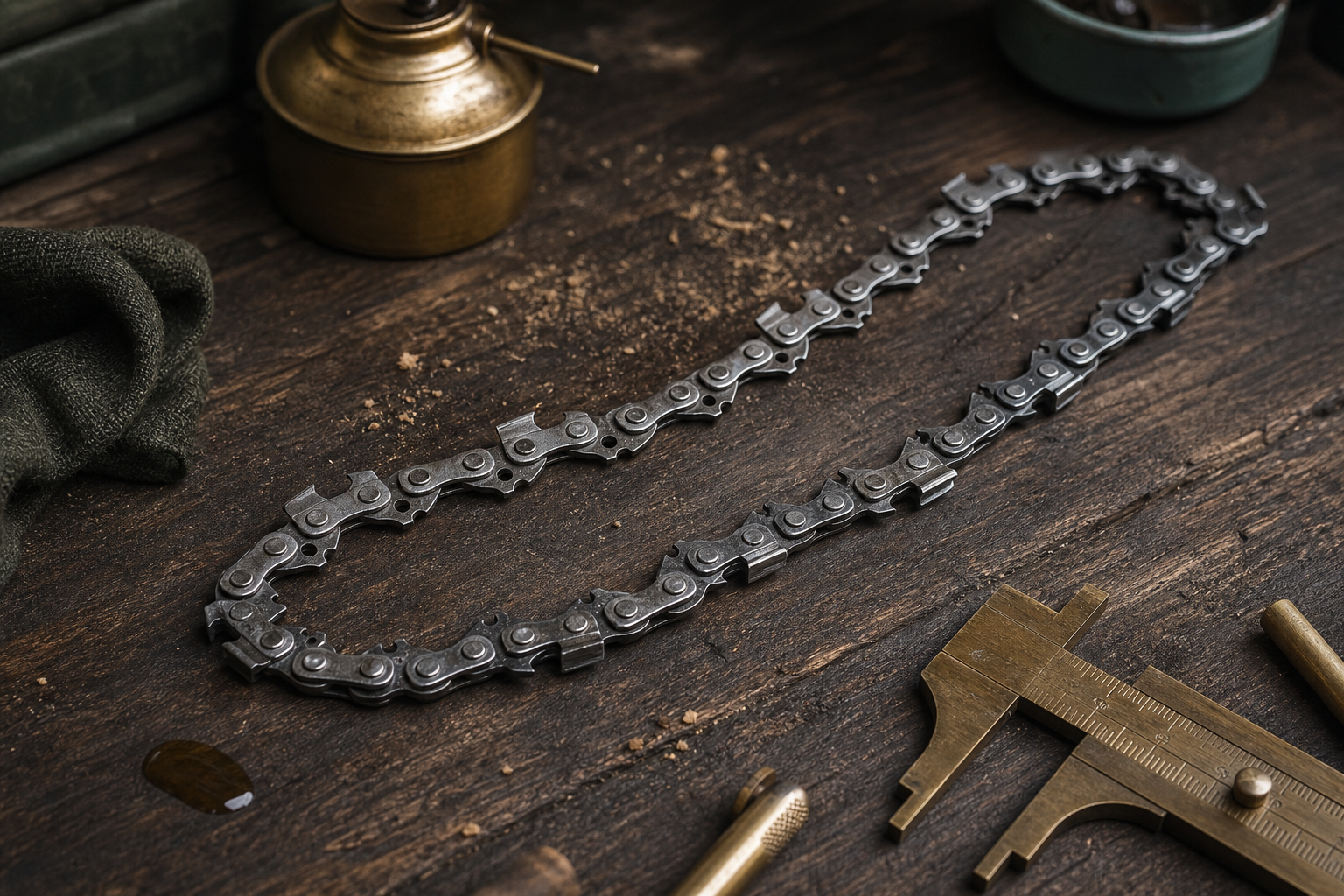
A brand-new chainsaw chain that seems dull after one use is one of the most frustrating problems owners run into. This question comes up often in owner forums, especially from rural homeowners clearing storm damage or part-time loggers trying to get through a weekend’s worth of cutting. In many cases, the chain itself is not defective at all. A new chain can lose its edge in minutes if it touches dirt, rocks, metal, or even bark packed with grit. Just as often, the problem is setup-related: incorrect chain tension, poor bar oiling, or sharpening angles that do not match the chain. If your saw was cutting well and then suddenly started making dust instead of chips, there is usually a clear reason.
The Most Common Reason: The Chain Touched Dirt
If a new chain went dull after only 20 minutes, the first thing to suspect is ground contact. Chainsaw cutters are sharp, but they are not made to tolerate soil, sand, or small stones. One brief touch into the dirt while bucking a log on the ground can dull every cutter on the chain almost instantly.
Signs this happened include:
- The saw was cutting normally, then got noticeably slower all at once
- Instead of large chips, it now throws fine sawdust
- You may see shiny, rounded cutter edges instead of crisp sharp corners
- The saw wants to pull less aggressively into the wood
This is especially common when cutting logs that have already fallen and picked up mud along the bark. Even if the chain never visibly dug into the ground, bark can hold enough grit to damage the cutting edge.
What to do:
- Inspect several cutters closely in good light.
- Compare the working corner on the left and right cutters.
- If the edge looks reflective or rounded, the chain needs sharpening.
- Clean the log before cutting if it has dirt-packed bark.
- Keep the wood off the ground using another log, a stand, or wedges.
A lot of owners assume a factory-sharp chain should stay sharp for much longer. In clean wood, it usually will. In dirty wood, it may not last one cut.
Check for Hidden Contact With Metal, Fencing, or Embedded Debris
Dirt is the usual culprit, but hidden metal is another fast way to ruin a sharp chain. Old fence wire, nails, screws, tree spikes, insulators, and even bullets in rural timber can chip cutters immediately. If you were cutting old fence rows, yard trees, reclaimed logs, or storm-damaged wood near buildings, embedded metal is worth considering.
Typical clues include:
- Sudden dullness after one specific cut
- One side of the chain seems more damaged than the other
- Chipped or broken cutter corners
- Vibration that was not there before
Even a small nail can do real damage. Unlike ordinary dullness, impact damage often leaves some cutters visibly nicked. In that case, a quick touch-up may not be enough. You may need to file several strokes more on damaged cutters until all cutting edges are clean and consistent again.
Best practice here is to inspect suspect wood before cutting. Yard trees and old property-line timber are especially risky. If the chain hit metal hard enough, also inspect the bar rails and drive links for secondary damage.
Wrong Sharpening Angle Can Make a “Sharp” Chain Cut Like a Dull One
Another issue that comes up often in owner forums is improper sharpening. Sometimes the chain is not truly dull from use; it was sharpened incorrectly before or after installation. A chain can feel sharp to the touch and still cut poorly if the top-plate angle, side-plate shape, or file size is wrong.
Common sharpening mistakes include:
- Using the wrong diameter file for the chain pitch
- Filing at too steep or too shallow an angle
- Inconsistent angles from left cutters to right cutters
- Lowering the cutter too much and damaging the working corner
- Ignoring depth gauges after repeated sharpening
If the angles are off, the chain may:
- Cut slowly even with moderate pressure
- Pull to one side
- Produce dust instead of chips
- Feel rough in the cut
For most rural homeowners, the safest approach is to confirm the exact chain specs first. Match the file diameter and filing guide to the chain’s pitch and cutter style. Follow the manufacturer’s recommended top-plate angle rather than guessing. If you sharpen freehand, use a marker to mark your starting tooth and keep your stroke count even.
Also check cutter length. If one side has been filed back farther than the other, the saw will cut crooked and feel inefficient. A chain does not need to be completely ruined to perform badly. Small inconsistencies add up fast.
Chain Tension, Oiling, and Bar Condition Matter More Than Many Owners Realize
A chain that seems dull may actually be running hot or dragging because of poor setup. New chains stretch during break-in, so tension often changes quickly during the first tank of fuel. If the chain gets too loose, it can cut poorly and wear unevenly. If it is too tight, it creates heat and friction that accelerate edge loss.
Check these basics:
Chain tension
A properly tensioned chain should lift slightly from the bar but still keep the drive links engaged in the groove. A brand-new chain may need several readjustments early on.
Bar oiling
If the chain is not getting enough oil, heat builds up rapidly. Heat does not usually “dull” the cutters the same way dirt does, but it increases wear and can make the whole cutting system perform poorly.
To check oiling:
- Fill with the correct bar and chain oil.
- Run the saw at moderate throttle aimed at a clean stump or cardboard.
- Look for a visible line or mist of oil coming off the bar tip.
Bar condition
A worn bar can make a good chain cut badly. Look for:
- Pinched or uneven bar rails
- Heavy burrs on the rail edges
- A plugged oil hole
- A worn or damaged bar groove
If your chain went dull “after one use,” but the saw also cuts crooked or binds in the cut, the bar deserves a close inspection too.
How to Fix It and Prevent It From Happening Again
Once a chain has lost its edge, the cure is usually straightforward: sharpen it correctly or replace it if badly damaged. The key is knowing when a basic touch-up is enough and when the chain needs more attention.
Sharpen the chain if:
- Cutters are rounded but not broken
- The chain is making dust instead of chips
- Cutting speed dropped after dirt contact
- The chain still has uniform cutter shape overall
Replace the chain if:
- Several cutters are cracked or badly chipped
- Drive links are damaged
- The chain has been overheated severely
- Cutter lengths are too uneven to correct practically
- You are already near the end of the usable cutter life
Prevention steps that help most:
- Keep logs off the ground before bucking
- Brush dirty bark before cutting
- Avoid plunge-cutting into unknown wood
- Check tension often on a new chain
- Confirm proper oil flow every time you refuel
- Use the correct file and guide for your chain
- Touch up the chain early instead of waiting until it is extremely dull
A big mistake is trying to force a dull chain through the cut. That creates more heat, wears the bar and clutch components, and makes the saw less safe to control. A few minutes of sharpening is cheaper than burning through chains and bars.
Watch: Video Walkthrough
FAQ
Why would a brand-new chainsaw chain go dull so fast?
Usually because it contacted dirt, sand, or a rock. Even a brief touch to the ground can dull the cutting edge on every tooth almost immediately.
Can the wrong sharpening angle make a new chain seem dull?
Yes. If the filing angle, file size, or cutter lengths are incorrect, the chain may cut poorly even if the edge feels sharp by hand.
Should I sharpen the chain or replace it?
Sharpen it if the cutters are only dull or lightly nicked. Replace it if the cutters are cracked, heavily chipped, or the chain has other damage such as worn drive links or severe unevenness.
Find the right part on Amazon
Check price, stock and fitment — ships direct from Amazon.
Parts